
Introduction
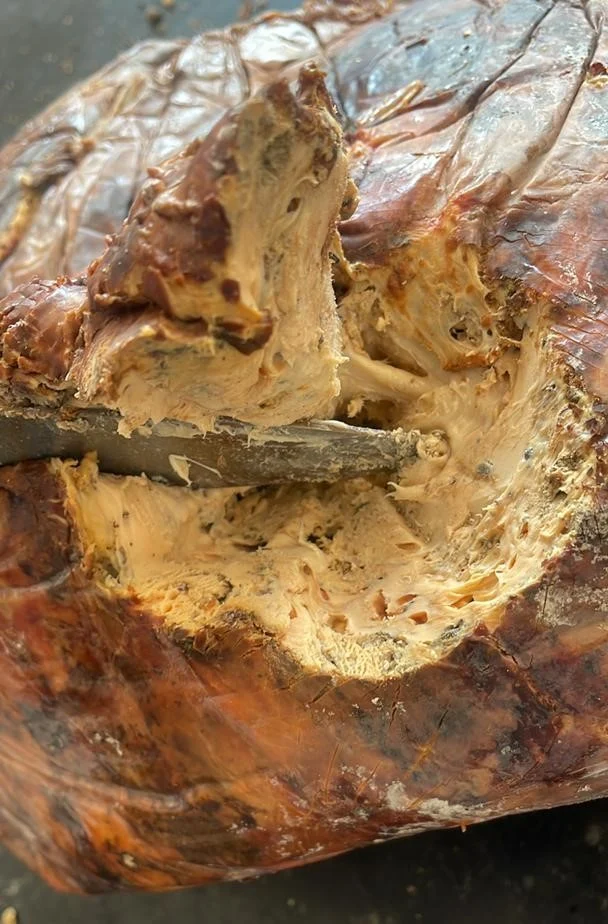
Imagine biting into a dish whose aroma transports you to ancient spice routes, blending mystery and depth with every whiff. That’s the magic of asafoetida, or Hing, a botanical powerhouse primarily sourced from the rugged terrains of Iran and Afghanistan. These two nations dominate the global supply, accounting for over 90% of the world’s natural gum-oleoresin. Yet, while the market often lumps them together as interchangeable, savvy buyers know better. Have you ever wondered why one origin might elevate your culinary or industrial blends while the other falls short? The differences in harvesting precision, resin purity, aromatic intensity, blending power, environmental stewardship, and supply chain reliability are profound—and they could make or break your next batch.
In 2024, Indian importers, who consume the lion’s share globally, have spotlighted Iranian asafoetida for its superior extractable value per kilogram. This translates to bolder aromas, purer gum, and more reliable performance in food, flavoring, and pharmaceutical applications. Demand is surging in the EU, GCC countries, and Southeast Asia, where quality-conscious processors seek traceable, high-yield materials. This comprehensive analysis draws on firsthand Iranian field insights, Afghan trade data, peer-reviewed scientific studies, and real-world importer testimonials to unpack these distinctions. By the end, you’ll see why choosing the right origin isn’t just about price—it’s about unlocking true value and sustainability.
1.Botanical Resource & Geographic Distribution
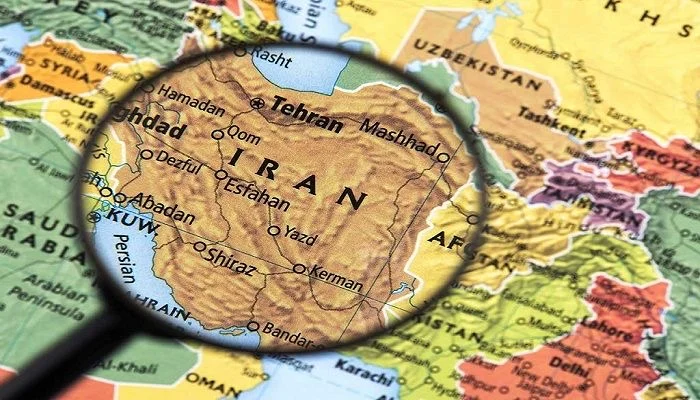
Picture vast semi-arid landscapes where Ferula asafoetida thrives, its roots delving deep into nutrient-rich soils to produce that prized resin. In Iran, prime sourcing regions include Khorasan (encompassing Kashmar, Bajestan, Ferdows, and Qayen), South Khorasan (Birjand and Nehbandan), Yazd, and segments of Kerman, with scattered wild populations in Fars and Hormozgan. These areas boast stable climates, limestone-laden soils, and protected rangelands that foster robust root development, leading to denser gum channels and elevated oleo-resin concentrations.
Contrast this with Afghanistan, where Hing is harvested from Herat, Ghor, Badghis, Farah, and Uruzgan—zones teeming with Ferula diversity but plagued by lax environmental safeguards. Over-tapping, inadequate rangeland management, and erratic harvest cycles often result in resin leakage and contamination. What does this mean practically? Iranian roots yield denser, more aromatic tears, while Afghan variants frequently incorporate soil particles and extraneous plant fibers, compromising overall quality. These ecological variances aren’t just academic; they directly influence the resin’s purity and potency, affecting everything from shelf life to end-user satisfaction.
2.Harvesting Practices: Regulated Science vs. Traditional Collection
Harvesting asafoetida is an art and science, where a single incision can determine the fate of the plant and the quality of the yield. In Iran, this process is governed by stringent guidelines from the Department of Environment and the Forests, Rangelands & Watershed Organization. Licensed harvesters receive mandatory training in assessing root maturity, preparing the soil, controlling incision depth, and safeguarding the resin. Why does this matter? It ensures minimal stress on the plant, reducing contamination risks.
Iranian methods involve precise, spaced incisions—typically 10–12 days apart—to avoid over-bleeding and root harm. The site is meticulously cleared of soil, disinfected, and protected with specialized tools, promoting healthy plant regeneration and the development of mature aroma compounds. This regulated approach not only preserves biodiversity but also delivers cleaner, more consistent resin.
In Afghanistan, however, the scene is more informal, often handled by nomadic communities and villagers without oversight. Immature roots are tapped prematurely, sometimes in the first year, with little soil preparation. Daily incisions are common, inviting contaminants and accelerating plant decline. The outcome? Higher soil inclusion, darker hues, and volatile aroma inconsistencies. Importers often share stories of batches that promise much but deliver little, underscoring how these practices erode trust and efficiency in global supply chains.
3.Purity, Aroma Profile & Industrial Strength
What if the secret to a standout spice blend lies in the molecular makeup? Processors rave about Iranian Hing’s superior aroma fixation, thanks to elevated levels of ferulic acid derivatives and sulfur-based volatiles, which provide robust, long-lasting scents. The resin’s cleanliness, stable gum fraction, and oxidation-resistant oleoresin make it a powerhouse for industrial applications, from flavor houses to pharmaceuticals.
| Key insights | Afghan Asafoetida (Approx. %) |
Iranian Asafoetida (Approx. %) |
component |
| Higher in Afghan due to fillers; Iranian more concentrated | 67.8 | 61.1-61.5 | Carbohydrates |
| Iranian richer, aiding stability | 4.0 | 13.5-14.3 | Protein |
| Enhances oleoresin in Iranian | 1.1 | 11.5-11.9 | Fat |
| Afghan prone to fluctuations | 16.0 | 16.0 | Moisture |
| Iranian stronger for aroma fixation | 30-40 | 40-50 | Sulfur Volatiles |
Afghan Hing, while plentiful, grapples with moisture fluctuations, soil impurities, and oxidized residues from exposed tapping. Though some lots boast potent initial aromas, they fade quicker during processing and use, diminishing efficiency. To illustrate these differences, consider the following comparative table based on scientific analyses:
These figures, drawn from proximate composition studies, highlight why Iranian material often outperforms in purity and strength, making it ideal for high-stakes blending.
4.Blending Efficiency: The Most Overlooked Market Reality
Ever calculated the hidden costs in your spice formulations? Indian processors in Gujarat and Rajasthan frequently report that 1 kg of Iranian Hing matches the blending power of 1.3–1.5 kg of Afghan Hing. This isn’t hype—it’s rooted in higher active aromatic compounds and fewer contaminants like soil or fibers in Iranian resin.
For companies crafting compounded powders or culinary mixes, this efficiency slashes costs, ensures batch consistency, and preserves potent aromas longer. Imagine streamlining your production line while boosting flavor profiles; that’s the Iranian edge. To visualize:
This table underscores the real-world savings, backed by importer insights and market reports.
5.Environmental Regulation & Anti-Poaching Enforcement
In a world prioritizing sustainability, how do you ensure your supply chain doesn’t harm the planet? Iran treats asafoetida as a strategic resource, enforcing rigorous controls: formal harvesting permits, transport certificates, and approvals for movement via the Natural Resources Organization. These have curbed illegal activities, safeguarding Ferula populations for future generations.
Afghanistan, meanwhile, battles rampant poaching, unchecked harvesting, and smuggling, fragmenting habitats and threatening supply stability. Buyers increasingly ask: Can I rely on this origin long-term? Iran’s framework offers peace of mind, aligning with global eco-standards.
6.Purity Issues & Common Adulteration Practices (Afghanistan)
Purity isn’t just a buzzword—it’s the foundation of trust. Lab reports and importer anecdotes reveal Afghan asafoetida’s vulnerability to adulteration during collection and transit: soil/sand, plant fibers, unrelated gums, or even gypsum/chalk. Indian wholesalers routinely sieve and purify it, adding time and expense.
Iranian Hing seldom needs such interventions, arriving cleaner and more reliable. This disparity isn’t occasional; it’s systemic, driven by informal chains versus regulated ones.
7.Packaging Standards: Industrial vs. Traditional
Packaging might seem mundane, but it preserves quality from farm to factory. Iranian exporters employ food-grade PE liners, vacuum seals, controlled storage, and LOT-numbered 10–25 kg drums, ensuring moisture consistency and traceability for EU/GCC clients.
Afghan practices often involve jute bags or unsealed sacks, inviting dust and variability. Without LOT tracking, compliance for food/pharma buyers becomes a headache. Choose wisely to avoid rework.
8.Regional Variations: Iranian vs. Afghan Zones
Diving deeper, Iranian Hing from Kashmar/Bajestan shines with bright color and sulfur-rich aroma, while Nehbandan/Ferdows offers denser oleoresin. Afghan from Herat/Badghis is lighter but impurity-laden; Ghor’s is aromatic yet inconsistent.
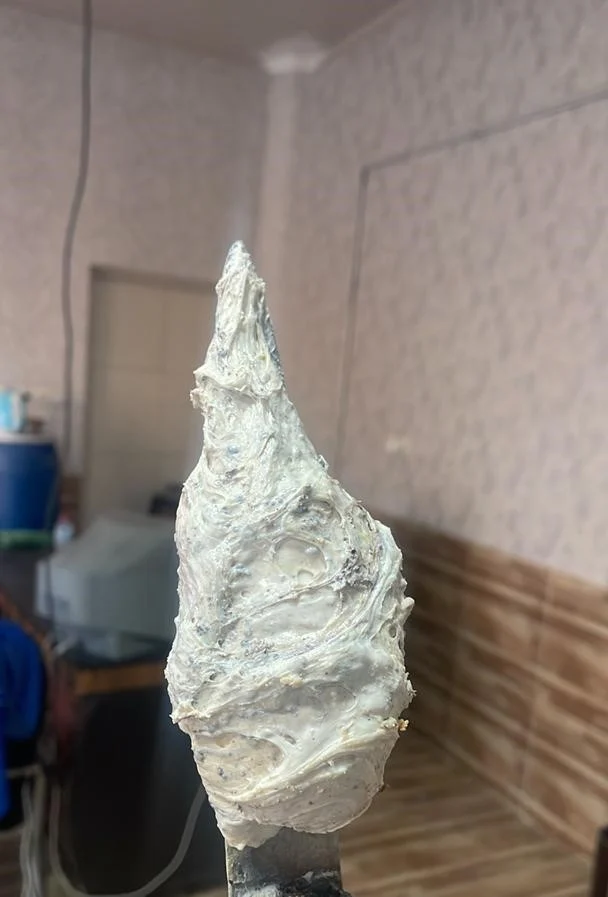
Even top Afghan batches demand post-processing, whereas premium Iranian is ready-to-blend, saving you steps and enhancing results.
9.Pricing Outlook for 2024
With global asafoetida market valued at USD 709.37 million in 2024 and projected to hit USD 1,515.39 million by 2033 (CAGR 8.3%), pricing dynamics favor quality. Iranian Hing commands a premium for its higher yield, purity, documentation, packaging, and sustainability—yet it often proves cost-effective long-term.
Afghan is cheaper upfront but inflates expenses through cleaning and blending inefficiencies. Forecasts show rising EU/GCC/Southeast Asian demand for traceable Iranian material, potentially widening the price gap. Afghanistan exported 846 tonnes worth USD 140.83 million in 2022-23, but instability could disrupt this. For buyers, the question is: Pay now for quality, or later for fixes?
10.Sustainability & Long-Term Resource Security
Sustainability isn’t optional—it’s essential for enduring supply. Iran’s system of controlled tapping, rangeland rotation, and multi-year protections has stabilized Ferula populations.
Afghanistan contends with over-tapping, degradation, and absent conservation, risking future shortages. As markets demand ethical sourcing, Iran’s model positions it as the secure choice, ensuring your business thrives without ecological compromise.
Conclusion
The asafoetida world is evolving toward transparency, sustainability, and peak performance. Iranian origin excels across purity, aroma, blending, compliance, packaging, stability, and satisfaction—outpacing Afghan counterparts in every metric.
For high-grade Hing with documentation, competitive pricing, and purity assurance, connect with our Iranian team. We offer premium, LOT-numbered batches in professional packaging, compliant with international norms. Backed by field expertise, we guarantee honesty and reliable supply. Ready to elevate your blends? Contact us today.